
Gulfstream G100 / G150
The Gulfstream G100 entered service in 2001 as the midsize entry point in the Gulfstream family. The G150 followed in 2005 with a wider cabin, more range, and improved windows. Both variants seat up to nine passengers and are capable of covering most US city pairs without a fuel stop.
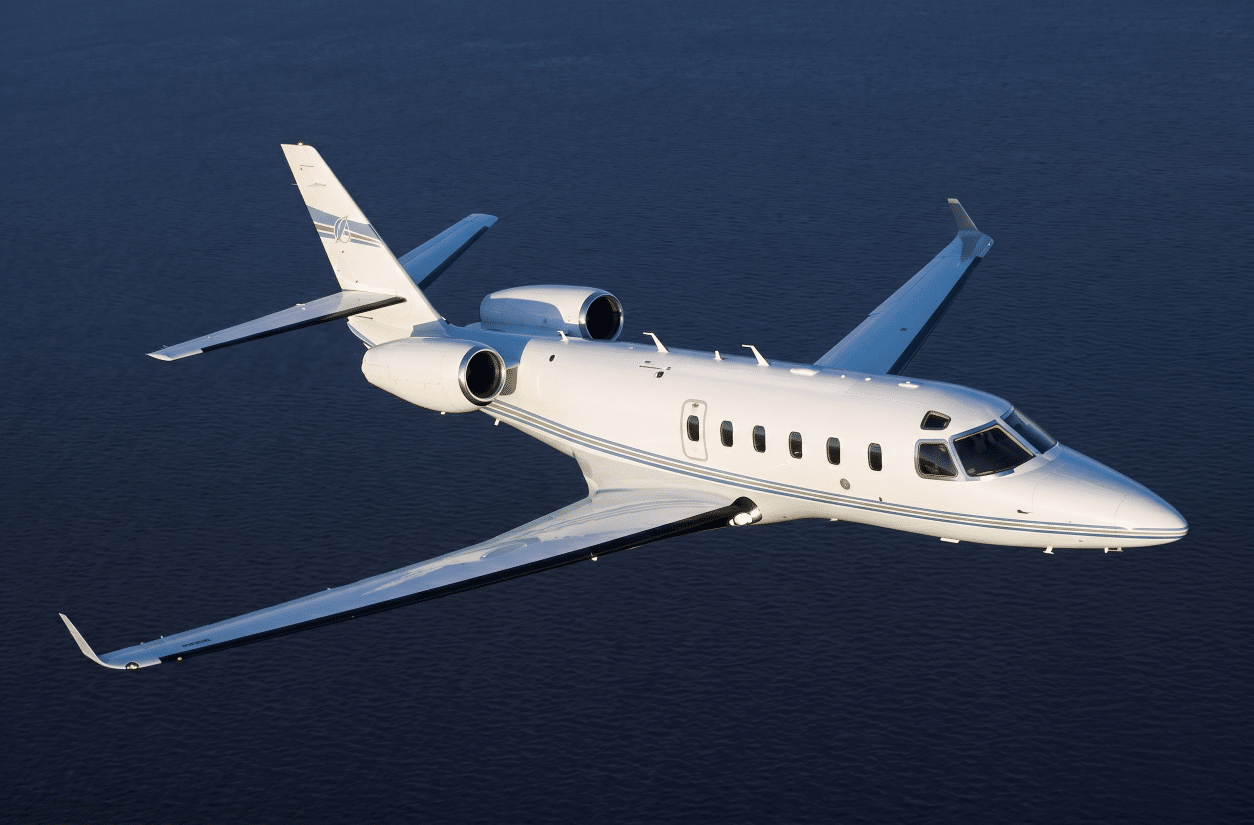
Gulfstream G100 / G150
The Gulfstream That Surprises People
Most people who have flown a Gulfstream G150 private jet did not know it existed before they booked it. The G100 and G150 sit at the understated end of the Gulfstream family, well below the flagship aircraft that dominate the brand’s reputation, and that relative anonymity works in their favor. You get the engineering standards and the name that comes with decades of serious aviation, without the cost of the more prominent models.
The G150 arrived as a direct response to what the G100 was missing. The speed and range were already there, but travelers wanted more room, more light, and an interior that felt less compact on longer domestic legs. Gulfstream widened and lengthened the fuselage, fitted bigger openings along the cabin walls, and the difference was immediately felt. Production ended in 2017 after 123 were delivered, and 119 of those are still flying today, which speaks to how well the aircraft holds up over time.
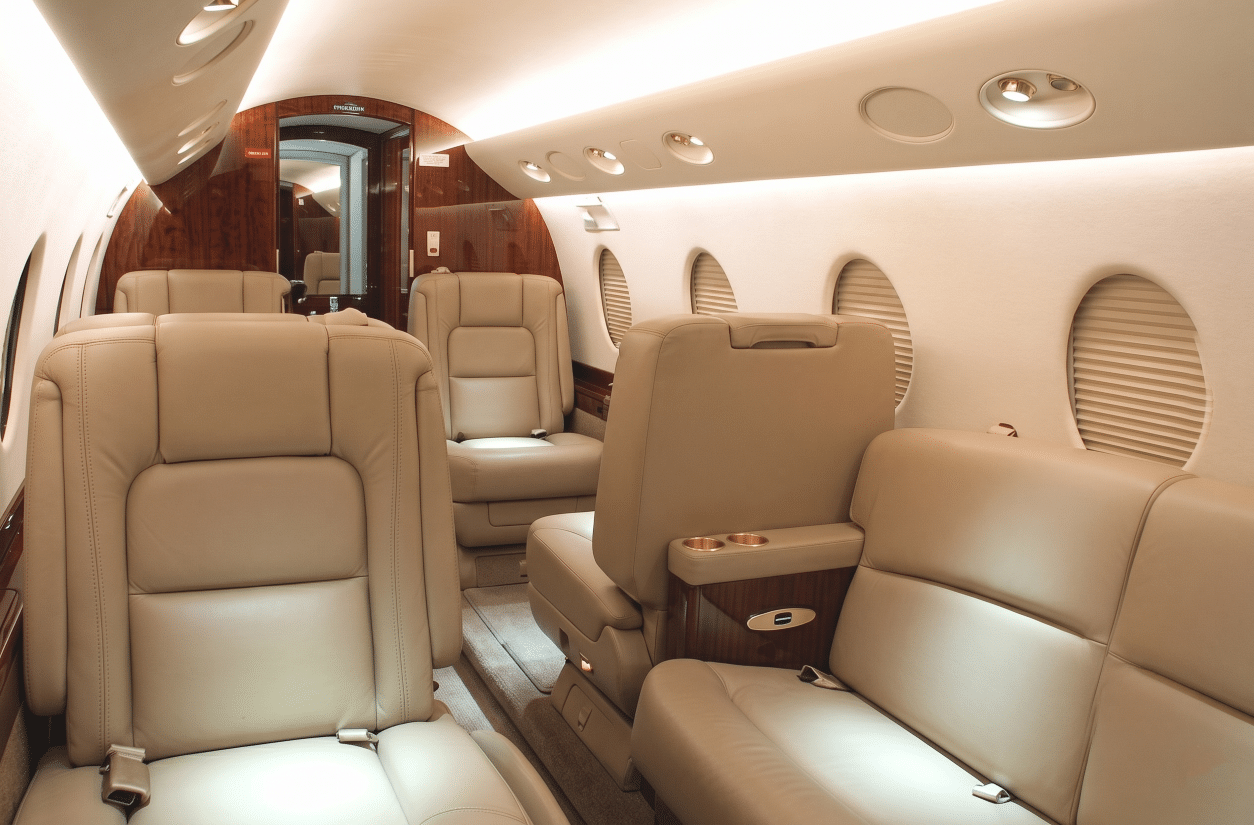
For groups of up to 9, the G150 offers reclining seats, fold-down work tables, an enclosed lavatory, and ample natural light that makes the interior feel genuinely comfortable rather than merely functional. Celebrity Jet Charter’s concierge team builds the trip around the group from the first call, handling catering preferences, ground transfers, and anything that comes up before the door closes. Range sits around 3,000 nautical miles, which handles most domestic routes without a stop, and a team flying from Denver to Atlanta will find the Gulfstream G150 charter covers the route with room to spare.
For smaller groups or shorter legs, the Gulfstream G100 rental delivers the same engineering and reliability in a more compact package, at a cost that makes it one of the more accessible ways to fly with the Gulfstream name behind you.
Manufacturer: Gulfstream
Model: G100 / G150
Passengers (Typical): 7
Passengers (Max): 7
Pilots: 2
Range: 2760 nm
High Speed Cruise: 474 mph
Cabin Length: 17.70 ft.
Cabin Width: 5.8 ft.
Cabin Height: 5.8 ft.
Baggage Capacity (Interior): 9 cu ft.
Baggage Capacity (Exterior): 55 cu ft.
Max Takeoff Weight: 26,100 lbs
Service Ceiling: 41,000 ft.
Landing Distance: 4,050 ft.
Number Built: 132
Year Started: 2001
Year Ended: 0
Midsize Jets

Citation Ascend
The Citation Ascend is Cessna’s next-generation midsize business jet, successor to the Citation XLS Gen2. Built for short to medium-haul flights, it combines a spacious flat-floor cabin, whisper-quiet acoustics, and upgraded Pratt & Whitney Canada PW545D engines — delivering a refined private jet experience for up to 9 passengers.
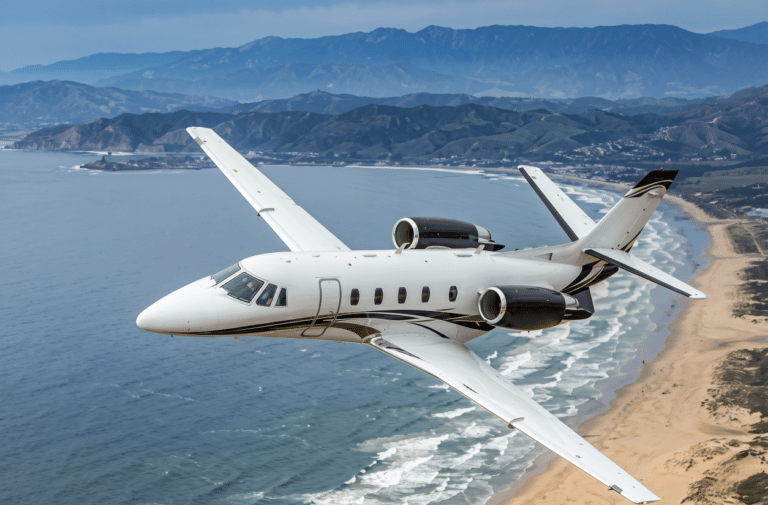
Citation Excel / XLS / XLS+ / XLS Gen2
A fixture in private aviation for over two decades, the Citation Excel family offers unparalleled practicality, consistent performance, and reliable availability.
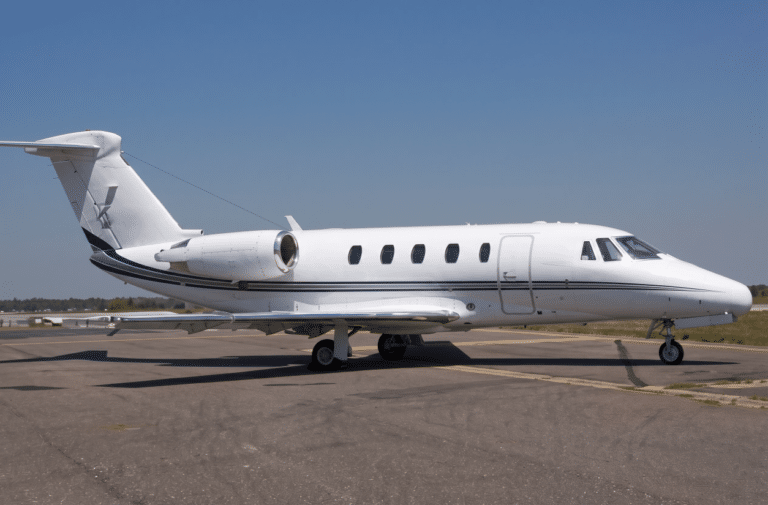
Citation III / VI / VII
A classic midsize jet family, the Citation III, VI, and VII combine record-setting speed with an exceptionally comfortable, light-filled cabin and the range to cover most major US city pairs.

Citation Latitude
The best-selling midsize private jet for three consecutive years, the Citation Latitude is defined by its class-leading flat-floor cabin and low-fatigue environment.
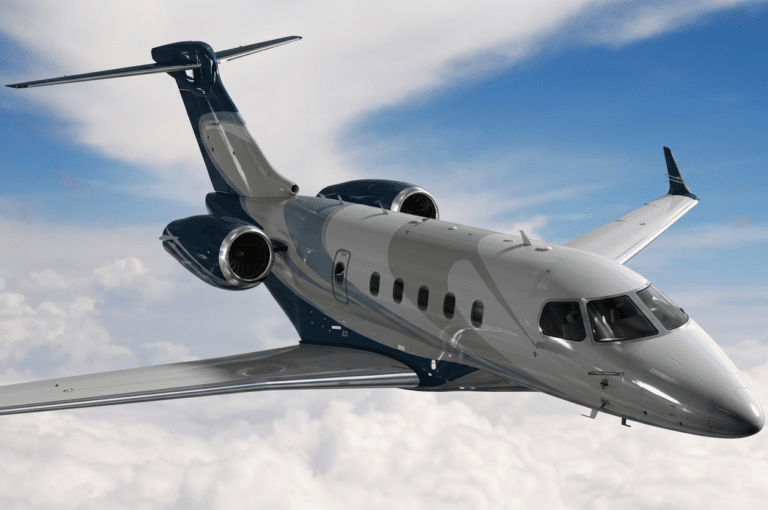
Embraer Legacy 450
The Embraer Legacy 450 is a midsize private jet with a six-foot-high, flat-floor cabin, seating for up to nine passengers, and modern fly-by-wire controls.
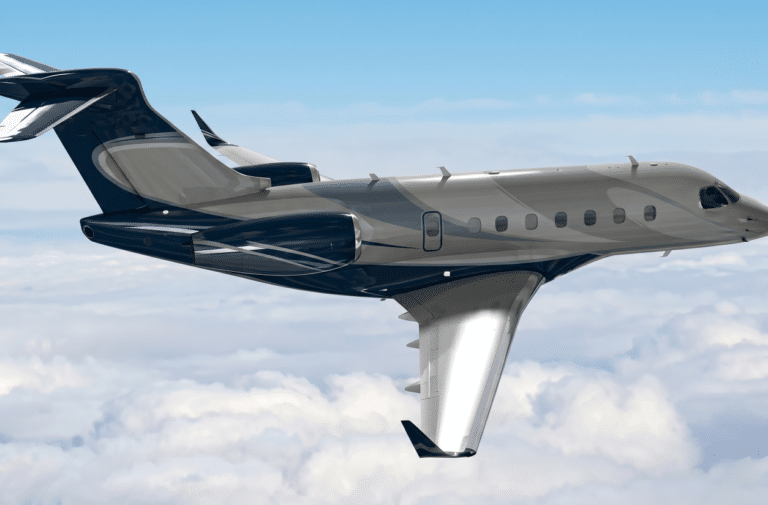
Embraer Praetor 500
Certified in 2019, the Praetor 500 offers midsize comfort, fly-by-wire controls, and a 3,340 nm range for many nonstop coast-to-coast missions.
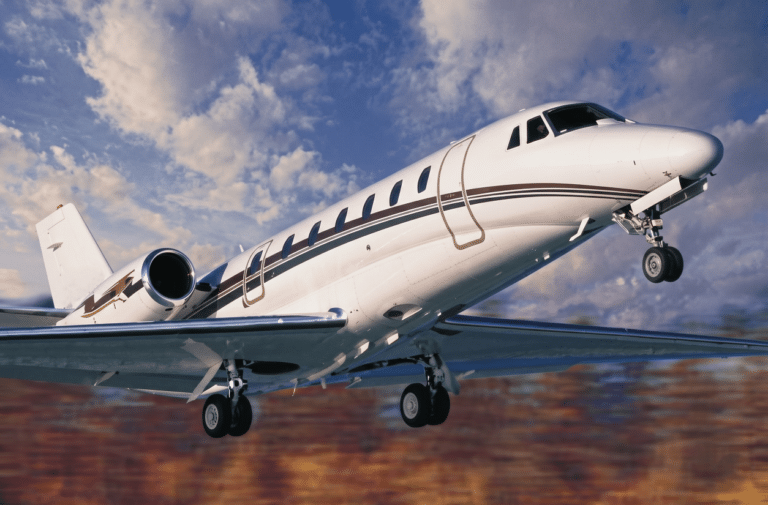
Falcon 20 / 200
Falcon 20 is a French business jet manufactured from 1963 to 1988. A total of 473 Falcon 20s and 35 Falcon 200s were built. Later developments of the Falcon 20 included the smaller Falcon 10 and the 3 engine Falcon 50.
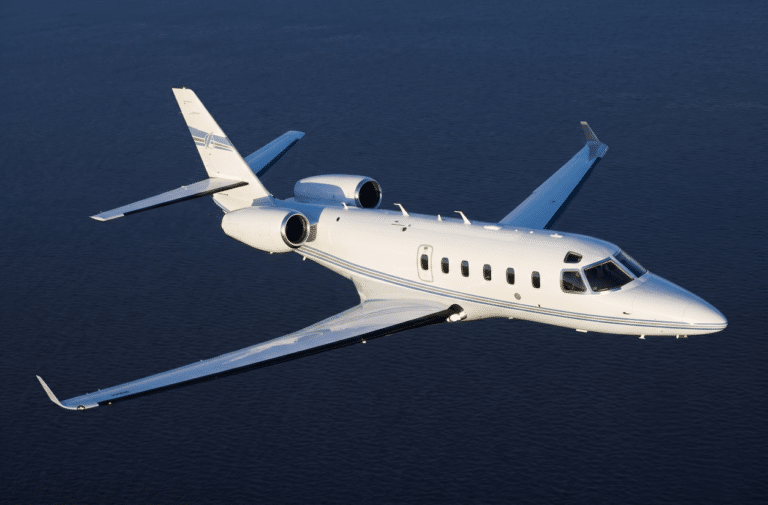
Gulfstream G100 / G150
The Gulfstream G100 entered service in 2001 as the midsize entry point in the Gulfstream family. The G150 followed in 2005 with a wider cabin, more range, and improved windows. Both variants seat up to nine passengers and are capable of covering most US city pairs without a fuel stop.
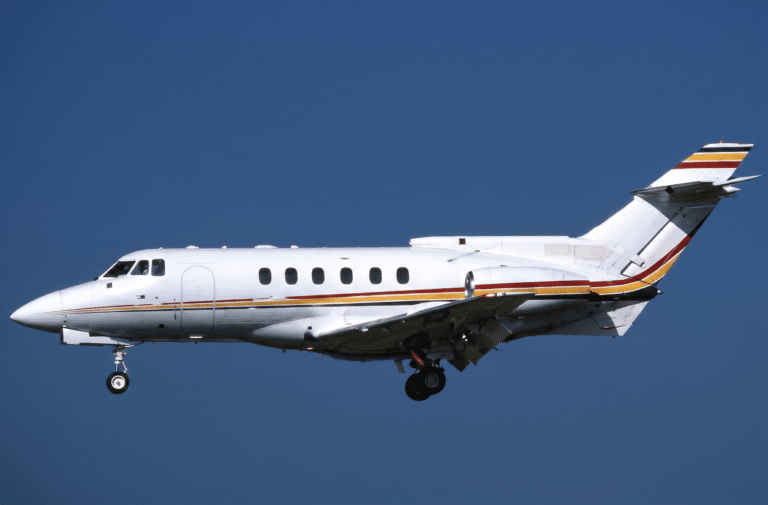
Hawker 600
The Hawker 600 is a twin-engine midsize business jet with British origins, first introduced in the early 1970s as part of the long-running HS.125 family. It seats up to eight passengers and carries a range of approximately 2,100 nautical miles.

Hawker 750
The Hawker 750 made its first flight in August 2007 and received FAA certification in February 2008. It was developed as a lighter, more cost-effective version of the Hawker 800XP, with the same engines but a larger baggage compartment and a shorter range. Only 48 were built before production ended in 2012.
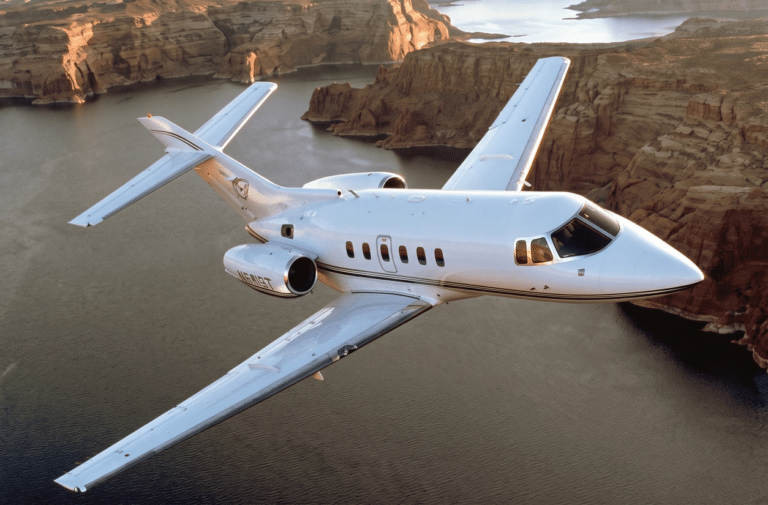
Hawker 800 / 800XP / 850XP
The Hawker 800 entered service in 1983 as part of the long-running British Aerospace 125 family. The 800XP followed in 1995 with more powerful engines, improved runway performance, and a faster cruise speed, with 475 delivered before production ended in 2005. The 850XP arrived in 2006, featuring blended winglets to improve range and climb performance.

Hawker 900XP
The Hawker 900XP is the final and most advanced variant in the Hawker 800 series, receiving FAA certification in 2007. It was built on the 850XP platform with new Honeywell engines, improved fuel efficiency, and extended range. A total of 183 were delivered before production ended in 2012, and all 183 remain in active operation today.
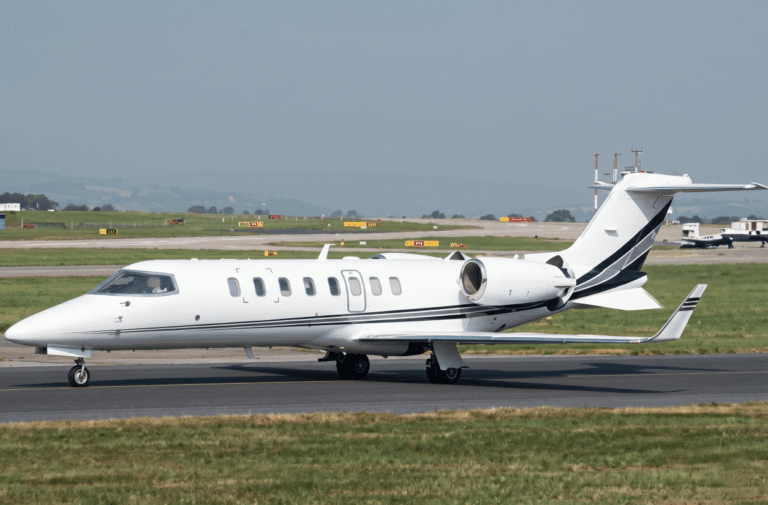
Learjet 45 / 45XR
The Learjet 45 entered service in 1998 as the first completely new Learjet design since the original 1963 aircraft, with all previous models having been evolutions of that single airframe. The 45XR followed in 2004 with upgraded engines and higher takeoff weights. Over 500 of both variants were delivered before production ended in 2012.
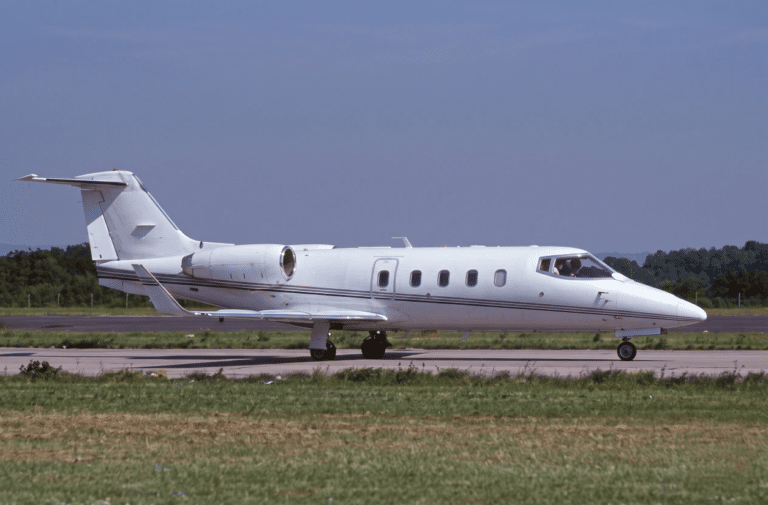
Learjet 55
The Learjet 55 made its first flight in 1979 and entered service in 1981 as the largest-cabin Learjet at the time. It introduced a stand-up cabin to the Learjet line, and its distinctive extended wingtips earned it the nickname Longhorn. Nearly 150 were delivered across all variants before production ended in 1993.
Learjet 60 / 60XR
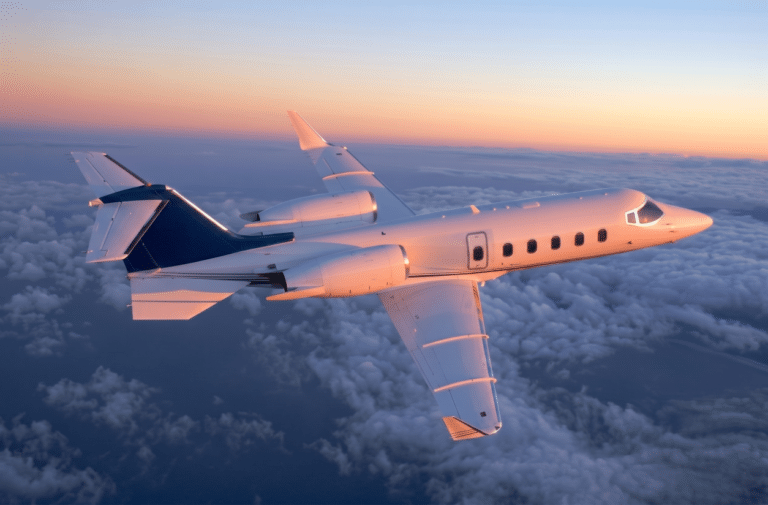
Successor to the Learjet 55 and the fastest climber in its category, the Learjet 60 reached 41,000 feet in 18.5 minutes at maximum weight when it entered service in 1993. The 60XR followed in 2007 with updated avionics, five floor plan options, and the largest interior ever fitted to a Learjet. Over 430 aircraft were delivered across both variants.
LearJet 75
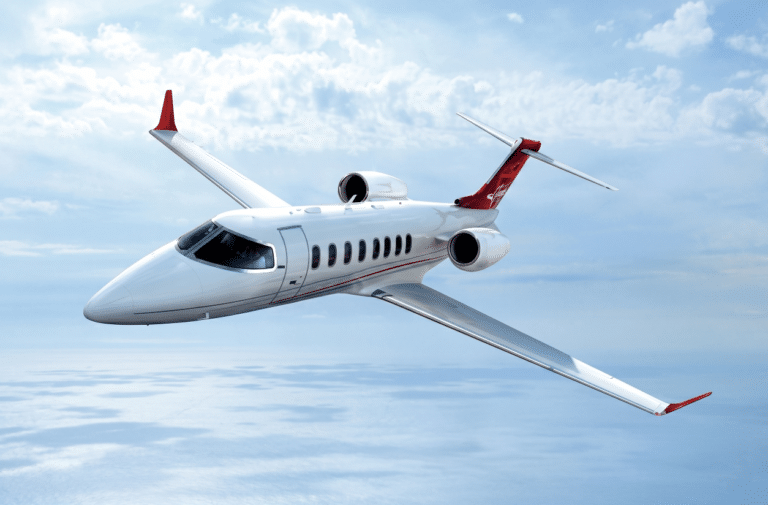
The last Learjet ever built, the 75, entered service in 2013, and the final aircraft rolled off the production line in March 2022, ending a line that had run continuously since 1963. Built on the Learjet 45XR platform with upgraded engines, redesigned winglets borrowed from the Global 7000 series, and a completely updated interior. Only 121 were delivered.
Seamless Booking Process

Submit Request

Select Aircraft

Confirm Details

Fly Private