
Phenom 300 / 300E
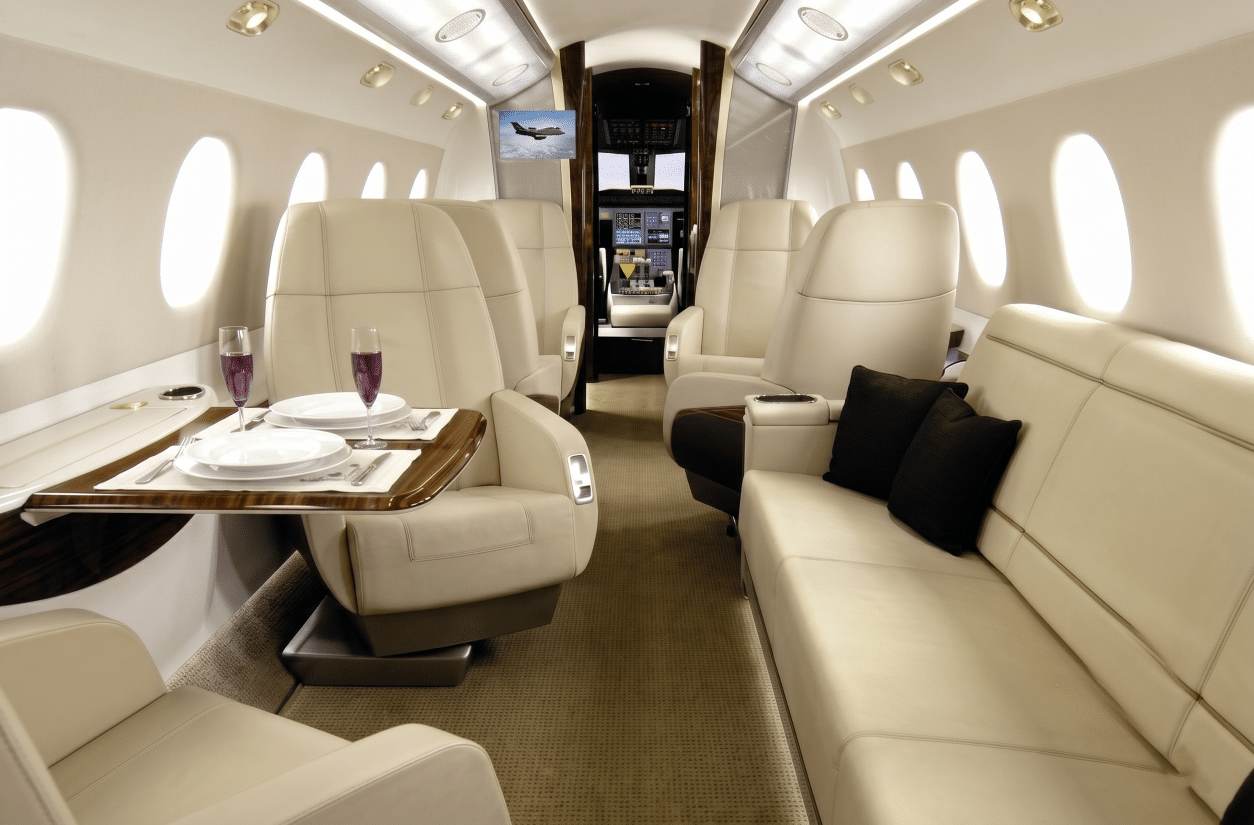
The Phenom 300 and 300E are part of Embraer’s clean-sheet light jet design, featuring a swept-wing profile, trailing-link landing gear, and Garmin G3000 avionics, all aimed at improving performance and passenger comfort within this category.

Phenom 300 / 300E
Engineering That Turned It Into the Best-Selling Light Jet
The reason a Phenom 300 charter has led its segment for years comes down to how the aircraft balances multiple factors without overcommitting to one. It delivers strong cruise speeds, efficient fuel use, and a cabin that feels more open than most aircraft in this class.
That becomes clear on routes like Westchester County to Orlando, where the flight is long enough for both performance and cabin design to matter. The aircraft maintains a steady cruise while offering enough space for passengers to stay comfortable, whether they’re working or simply taking a break between commitments.
The 300E builds on that foundation with refinements in avionics and interior layout. When flying on a Phenom 300E private jet, the difference shows in smaller details—smoother landings from the trailing-link gear, a quieter cabin, and a more intuitive cabin management system.
This aircraft tends to attract clients who want a consistent experience across different types of trips. It fits business teams moving between cities, individuals covering longer regional distances, and repeat flyers who prefer a newer platform with balanced performance.
Its popularity didn’t come from a single standout feature—it came from getting multiple aspects right at the same time.
Manufacturer: Embraer
Model: Phenom 300 / 300E
Passengers (Typical): 9
Passengers (Max): 9
Pilots: 2
Range: 2010 nm
High Speed Cruise: 453 mph
Cabin Length: 17.2 ft.
Cabin Width: 5.1 ft.
Cabin Height: 4.11 ft.
Baggage Capacity (Interior): 10 cu ft.
Baggage Capacity (Exterior): 85 cu ft.
Max Takeoff Weight: 18,387 lbs
Service Ceiling: 45,000 ft.
Landing Distance: 2,212 ft.
Number Built: 834
Year Started: 2009
Year Ended: 0
Light Jets

Pilatus PC-24
Designed in Switzerland and known as the “Super Versatile Jet,” the PC-24 brings together speed, cabin comfort, and short-field capability in one highly adaptable aircraft.

Citation I
The Citation I introduced Cessna to the jet market, becoming the foundation for one of the most recognized aircraft families in private aviation.
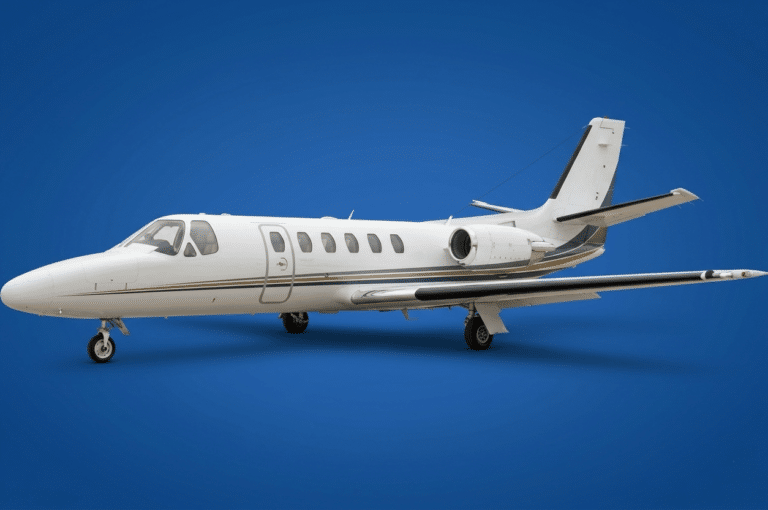
Citation II / IISP/ SII
The Citation II expanded on early Citation models with a longer cabin and improved capacity, becoming a widely used aircraft across corporate fleets in the 1980s and 1990s.
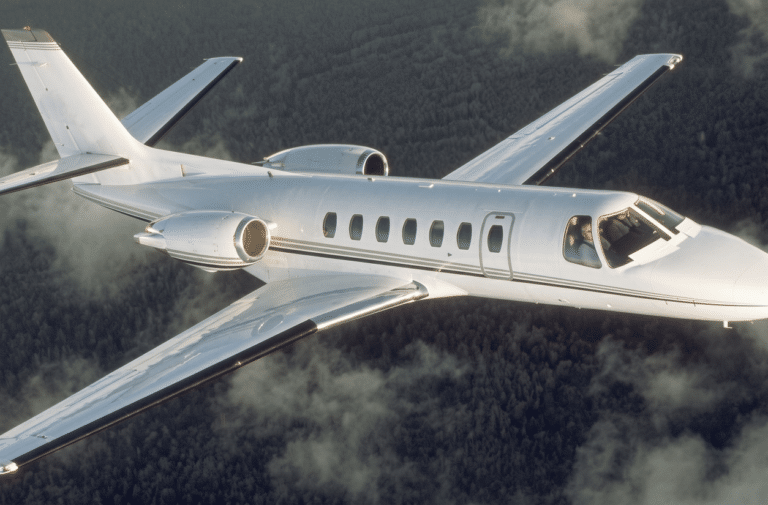
Citation V
The Citation V introduced a stretched fuselage, more powerful engines, and improved climb performance compared to earlier Citation models, increasing both range and usable cabin space within the light jet category.

Citation CJ1 / CJ1+
The CJ1+ refines the original CJ1 with digital engine controls and updated avionics, making short regional flights more consistent and easier to manage.
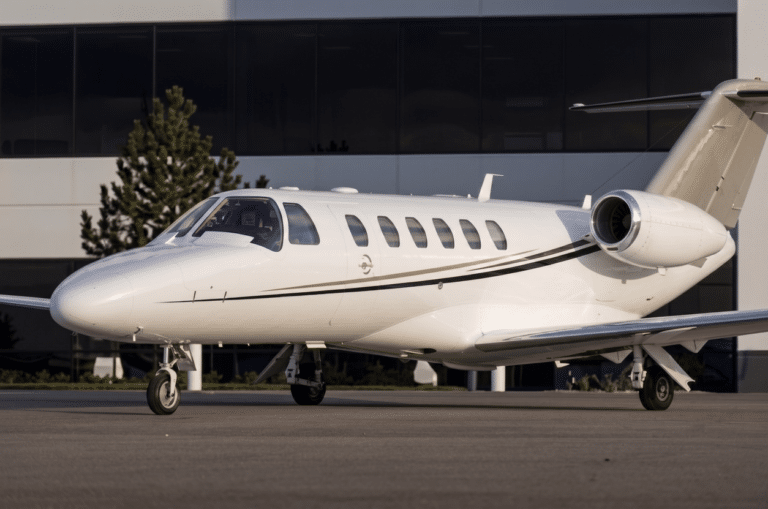
Citation CJ2 / CJ2+
The CJ2+ builds on the original CJ2 with upgraded avionics and digital engine controls, making the aircraft easier to operate while improving overall flight precision.

Citation CJ3 / CJ3+
The Citation CJ3 and CJ3+ combine impressive range, a comfortable cabin, and light jet efficiency—ideal for regional flights, business travel, and trips with multiple destinations.
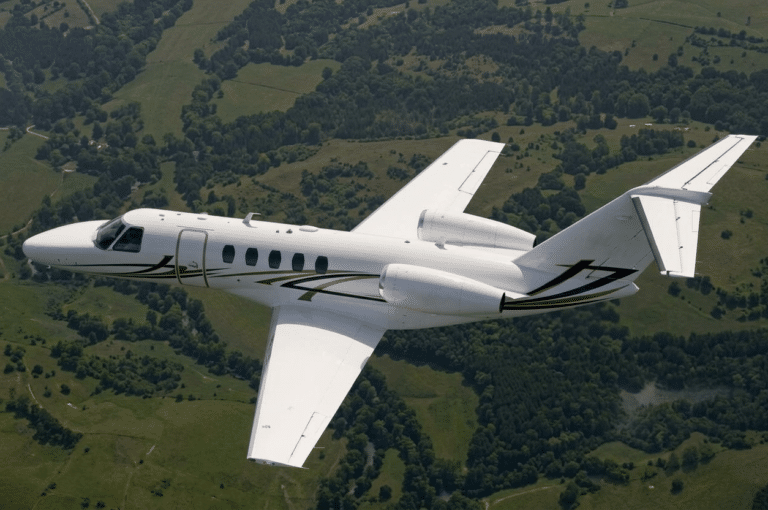
Citation CJ4 / CJ4 Gen3
The CJ4 represents the most capable aircraft in the CitationJet series, combining extended range with higher cruise speeds for longer, more demanding routes.

Citation Encore / Encore +
The Encore builds on the Citation V with improved climb performance and updated systems, making it better suited for higher-altitude airports and more demanding regional routes.

Citation Ultra
The Citation Ultra builds on earlier Citation models with upgraded engines and avionics, offering improved performance while keeping a relatively low profile in the market.
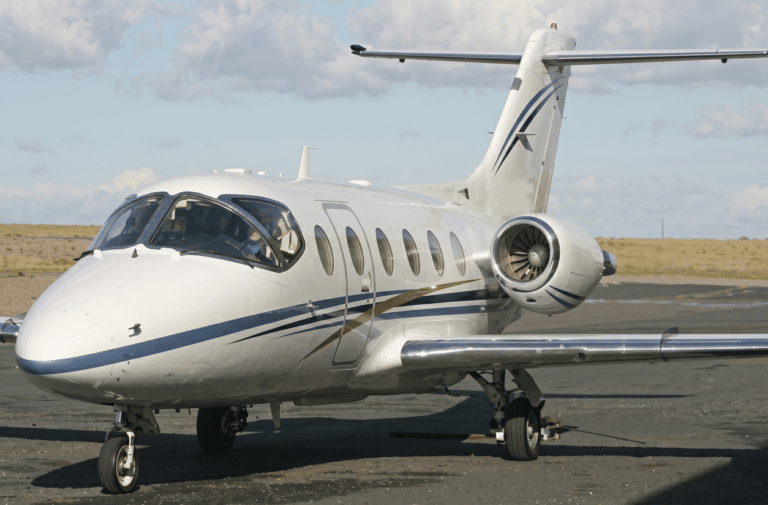
Diamond IA
The Mitsubishi Diamond IA (MU-300) is a twin-engine light jet powered by Pratt & Whitney Canada JT15D turbofans. Its compact cabin suits small-group regional travel, with aircraft availability and itinerary suitability confirmed for each charter.

Hawker 200
The Hawker 200 was the proposed successor to the Beechcraft Premier I/IA, developed from the Premier II program. It was cancelled before entering production and is not an aircraft available for private charter.

Hawker Beechjet 400A / 400XP
The Beechjet 400A/400XP is a twin-engine light jet derived from the Mitsubishi MU-300, later adapted into the U.S. Air Force’s T-1 Jayhawk trainer, combining military-grade performance characteristics with corporate aviation refinements.

HondaJet HA-420
Built by Honda Aircraft Company, the HondaJet brings innovative engineering to the light jet category with impressive speed, range, and a quiet, space-efficient cabin.
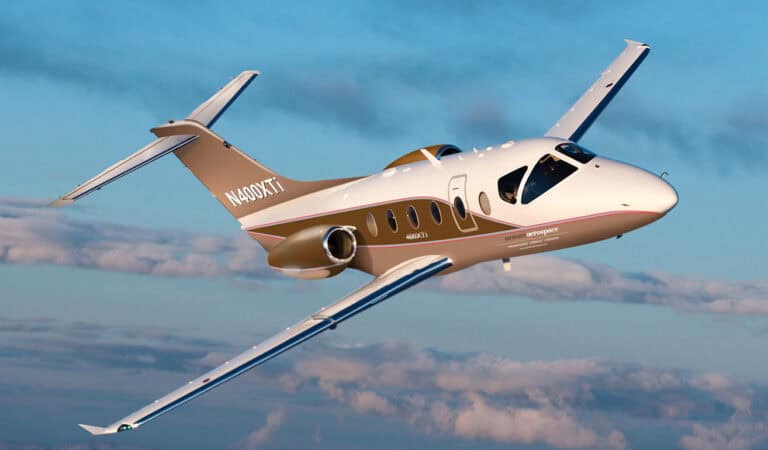
Nextant 400XT / 400XTi
The Nextant 400XT and 400XTi are remanufactured light jets based on the Beechjet 400A/Hawker 400XP, combining upgraded engines and avionics with a comfortable flat-floor cabin for private charter.
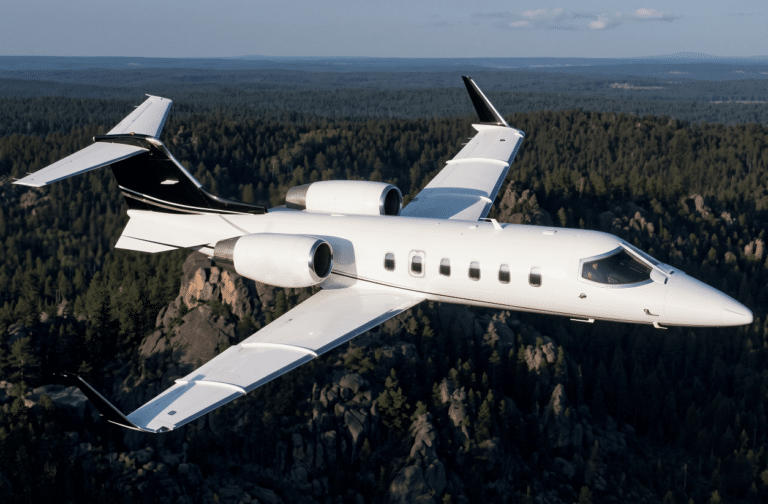
Learjet 31
The Learjet 31 represents one of the final developments of the original narrow-body Learjet design, combining the classic straight-wing platform with upgraded engines and avionics for improved high-speed performance.

Learjet 35A / 36A
The Learjet 35A and 36A are twin-engine light jets introduced in the late 1960s, designed with extended range and high-altitude performance that continue to define their role in aviation today.
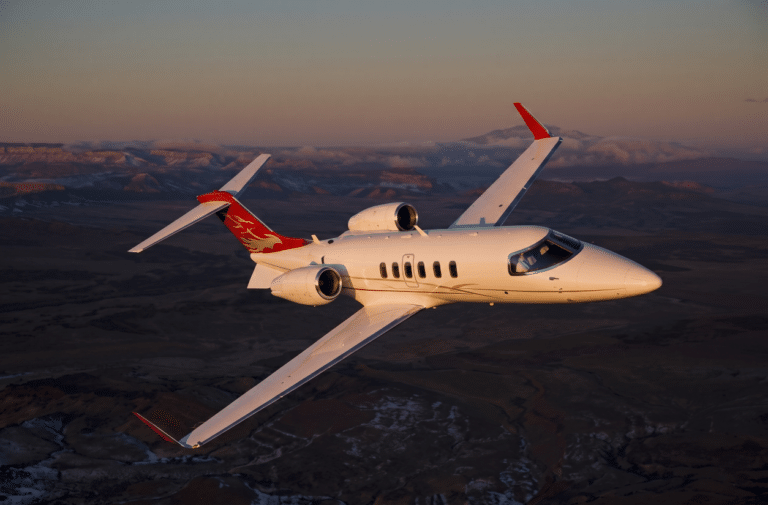
Learjet 40 / 40XR
The Learjet 40 and 40XR represent a redesign of the earlier Learjet 31 lineage, introduced after Bombardier’s acquisition, with a new wing, updated avionics, and a wider cabin profile.

Phenom 300 / 300E
The Phenom 300 and 300E are part of Embraer’s clean-sheet light jet design, featuring a swept-wing profile, trailing-link landing gear, and Garmin G3000 avionics, all aimed at improving performance and passenger comfort within this category.
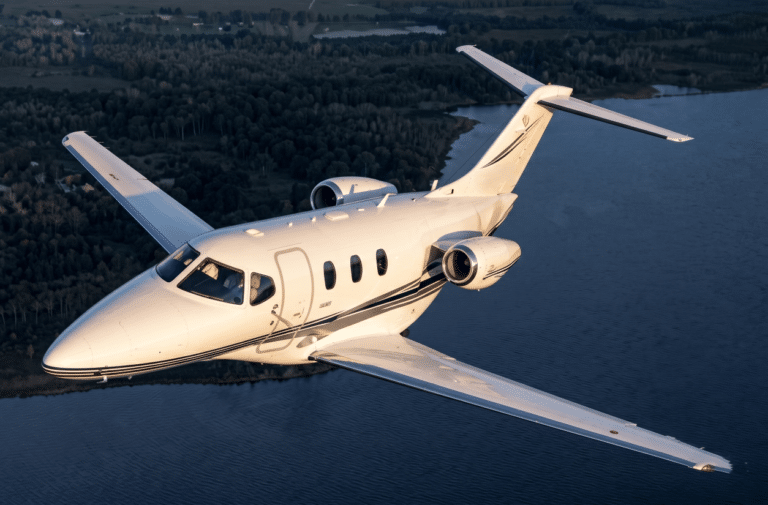
Premier I / IA
The Premier I and IA feature a composite fuselage construction, allowing for a lighter airframe and a wider cabin compared to traditional aluminum-built light jets.
Seamless Booking Process

Submit Request

Select Aircraft

Confirm Details

Fly Private