
Light Jet
Light Jets are recommended for groups of up to 8 passengers. These jets travel at 480–520 miles per hour and have a range of 1,500–2,000 miles. Examples include the Hawker 400XP, Lear 35, and Citation CJ4.
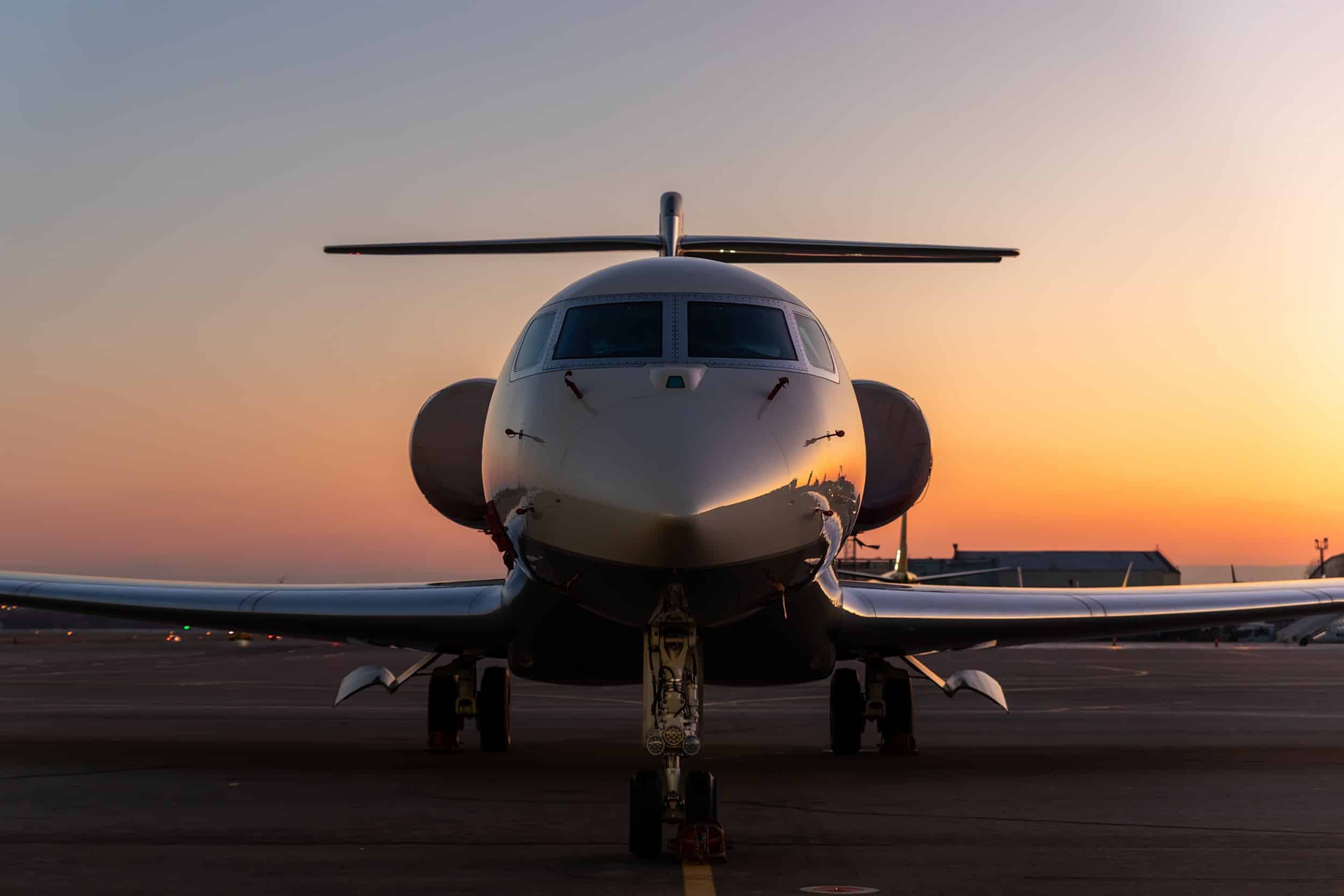
Light Jet Charter for Efficient Regional Flights
A full day of meetings doesn’t have to turn into an overnight stay. With a light jet charter, routes like New York to Boston or Chicago to Nashville can be completed within a few hours, making same-day returns realistic instead of rushed.
You can arrive about 15–20 minutes before departure, walk directly to the aircraft, and take off without waiting in lines or boarding groups. That kind of timing changes how the day feels. Instead of building your schedule around airport procedures, you move from one commitment to the next without unnecessary gaps.
This works especially well for short, focused trips—morning meetings, site visits, or quick client check-ins where being there in person matters more than staying overnight. The aircraft fits into the day, not the other way around.
Private Light Jets That Adjust as Plans Change
Some days don’t stay fixed. A meeting runs longer in Atlanta, a second stop comes up in Charlotte, or the return needs to shift by a few hours. With private light jets, those changes don’t require starting over or working around rigid schedules.
Through a light jet rental, you can adjust departure times as plans evolve, add a stop without rebooking, or return later the same day without turning it into a multi-day trip. That flexibility becomes useful when decisions happen in real time, and timing can’t stay locked in.
Inside the aircraft, the setup stays simple and practical. Seating allows small groups to stay connected during the flight, whether that means reviewing notes, having a quick discussion, or just taking a break between stops. It’s not about excess—it’s about keeping the day moving without interruption.
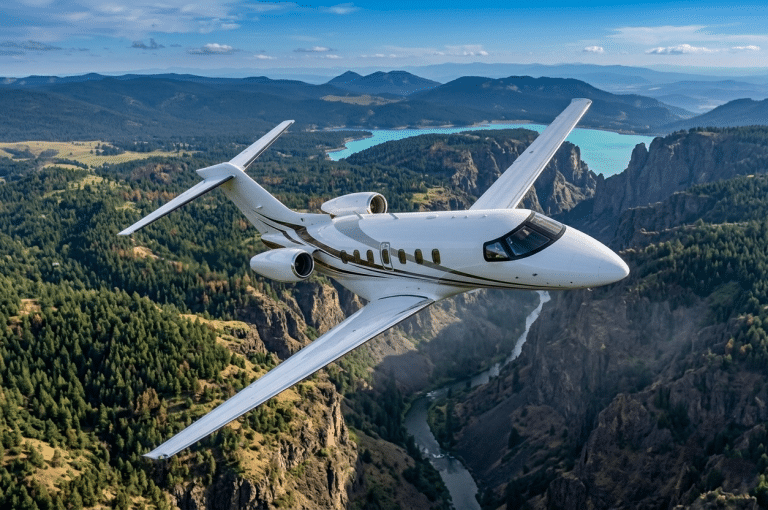
Pilatus PC-24
Designed in Switzerland and known as the “Super Versatile Jet,” the PC-24 brings together speed, cabin comfort, and short-field capability in one highly adaptable aircraft.
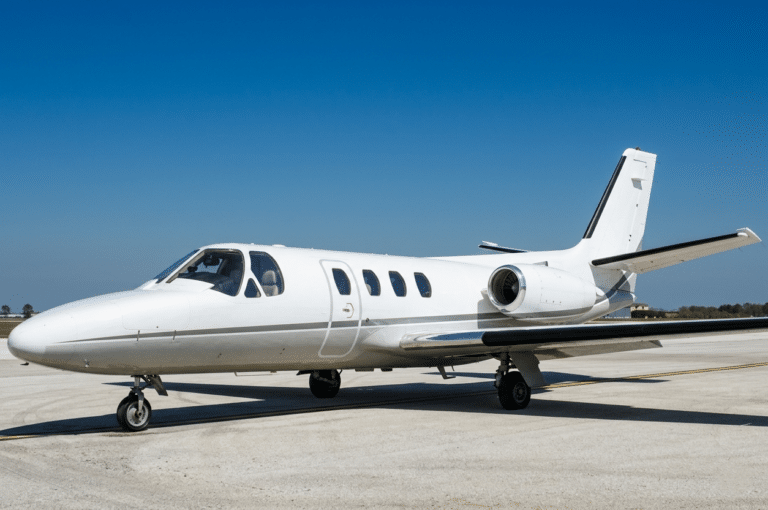
Citation I
The Citation I introduced Cessna to the jet market, becoming the foundation for one of the most recognized aircraft families in private aviation.
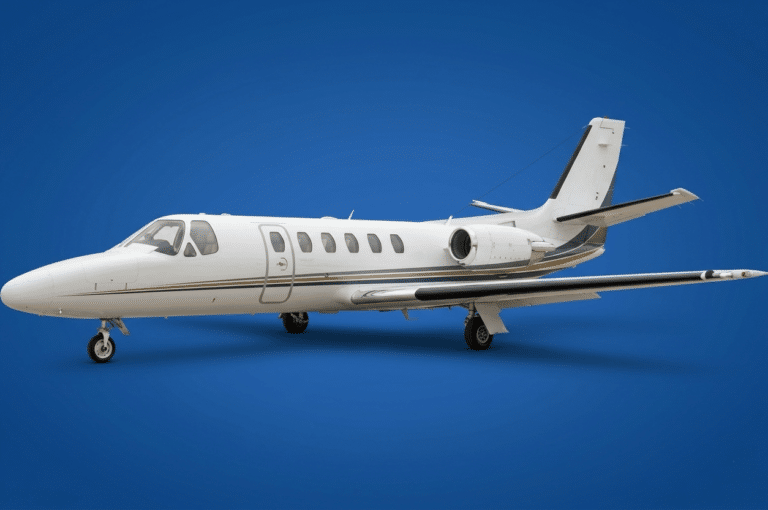
Citation II / IISP/ SII
The Citation II expanded on early Citation models with a longer cabin and improved capacity, becoming a widely used aircraft across corporate fleets in the 1980s and 1990s.
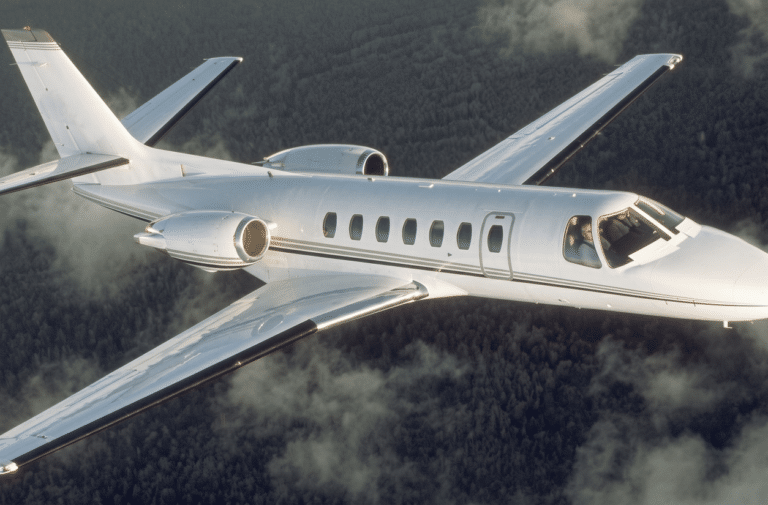
Citation V
The Citation V introduced a stretched fuselage, more powerful engines, and improved climb performance compared to earlier Citation models, increasing both range and usable cabin space within the light jet category.

Citation CJ1 / CJ1+
The CJ1+ refines the original CJ1 with digital engine controls and updated avionics, making short regional flights more consistent and easier to manage.
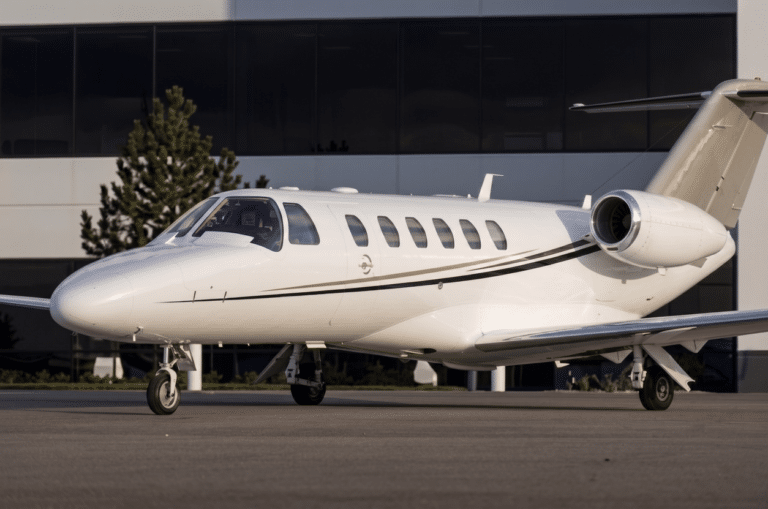
Citation CJ2 / CJ2+
The CJ2+ builds on the original CJ2 with upgraded avionics and digital engine controls, making the aircraft easier to operate while improving overall flight precision.
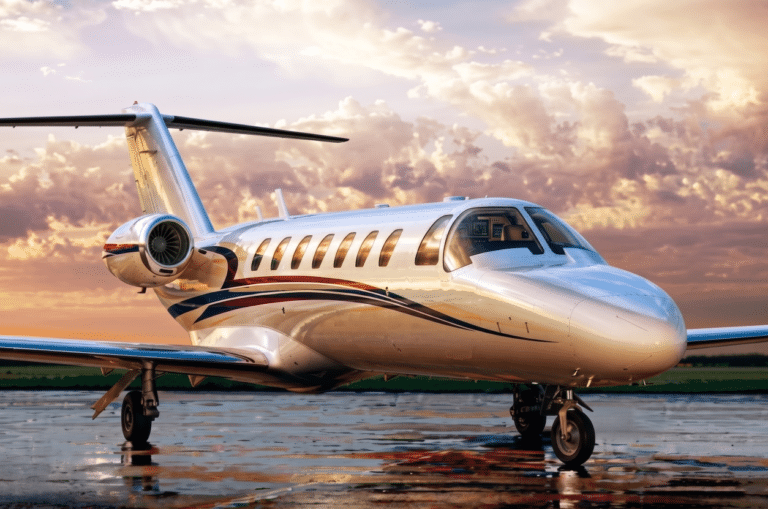
Citation CJ3
The CJ3 builds on the CJ2 with a noticeable increase in range and cabin length, making it one of the most widely used models in the Citation family.
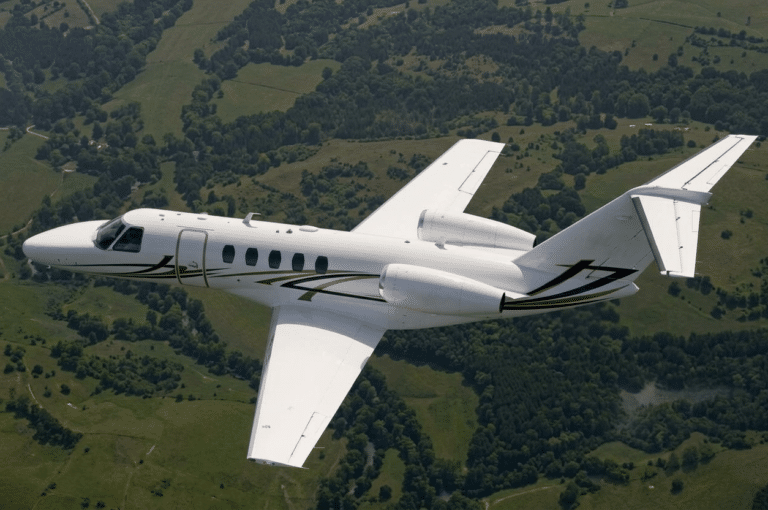
Citation CJ4 / CJ4 Gen3
The CJ4 represents the most capable aircraft in the CitationJet series, combining extended range with higher cruise speeds for longer, more demanding routes.
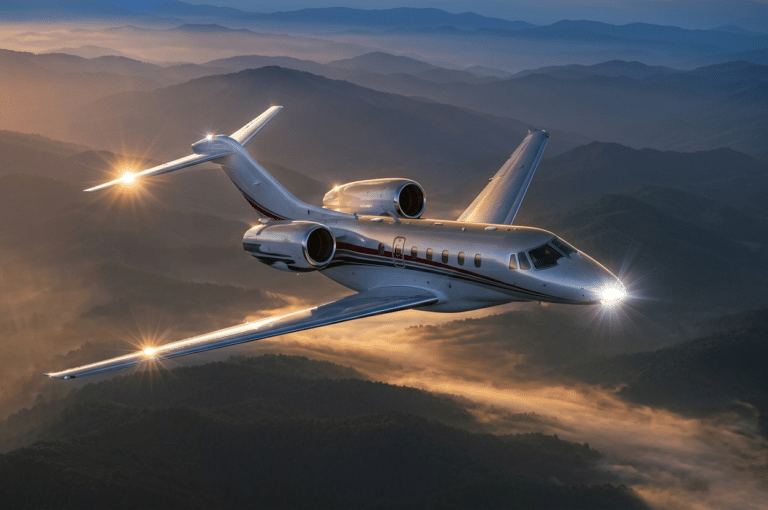
Citation Encore / Encore +
The Encore builds on the Citation V with improved climb performance and updated systems, making it better suited for higher-altitude airports and more demanding regional routes.
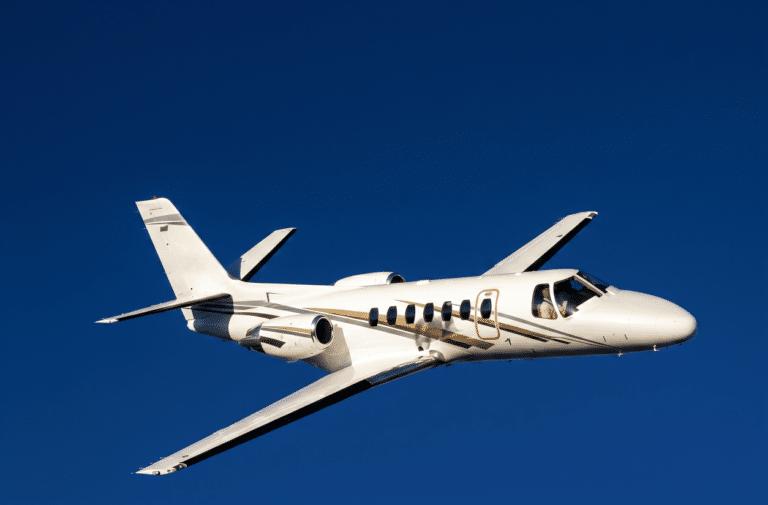
Citation Ultra
The Citation Ultra builds on earlier Citation models with upgraded engines and avionics, offering improved performance while keeping a relatively low profile in the market.
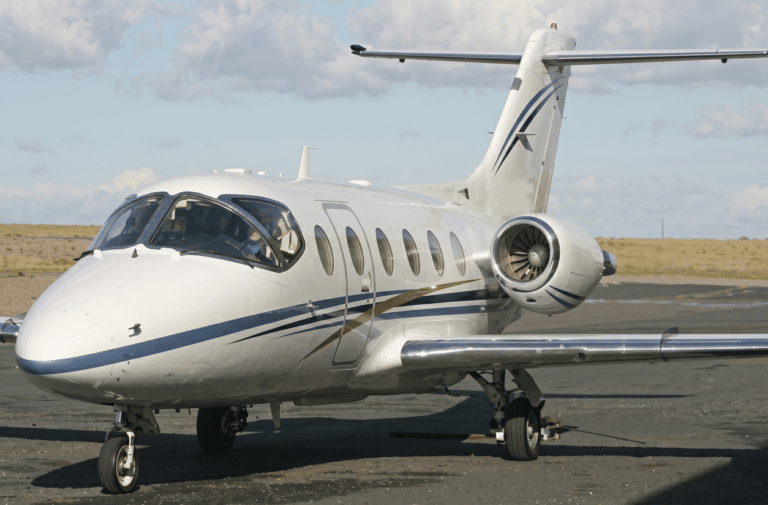
Diamond IA
The Diamond IA is a single-engine, very light jet aircraft developed with a composite airframe and a Williams FJ33 turbofan, designed for efficient short-range performance and reduced operating complexity.
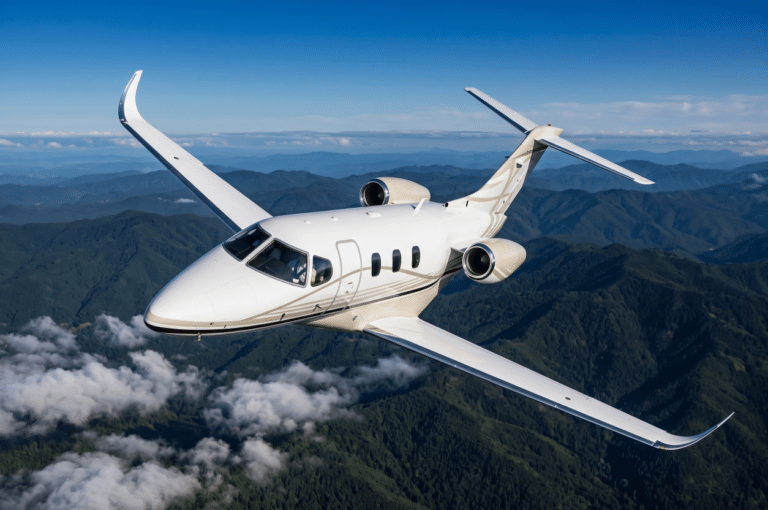
Hawker 200
The Hawker 200 is the updated designation for the Beechjet 400A/400XP series, following Raytheon’s transition to the Hawker brand, while retaining the same twin-engine light jet platform and performance profile.
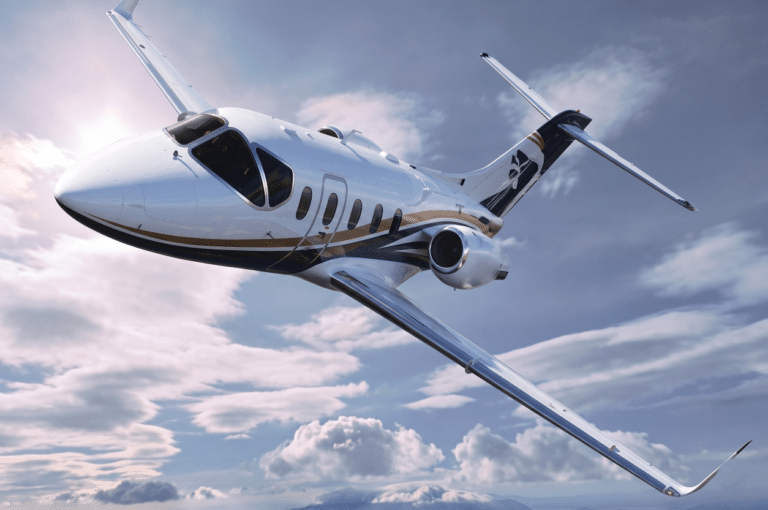
Hawker Beechjet 400A / 400XP
The Beechjet 400A/400XP is a twin-engine light jet derived from the Mitsubishi MU-300, later adapted into the U.S. Air Force’s T-1 Jayhawk trainer, combining military-grade performance characteristics with corporate aviation refinements.
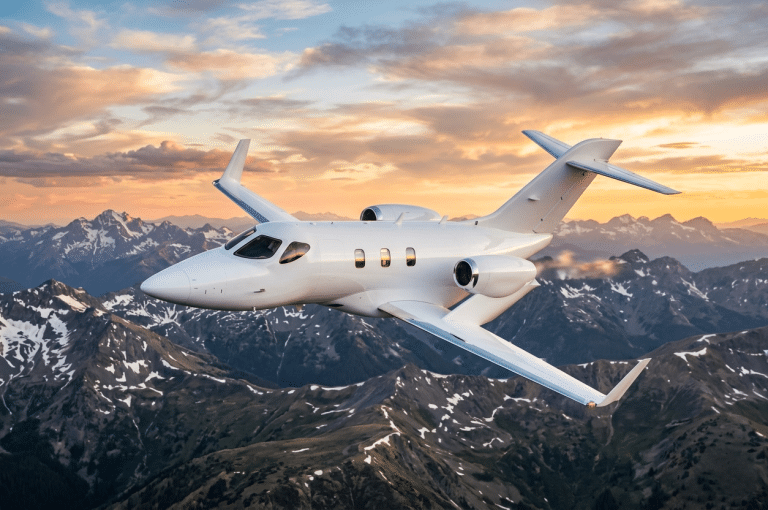
HondaJet HA-420
Built by Honda Aircraft Company, the HondaJet brings innovative engineering to the light jet category with impressive speed, range, and a quiet, space-efficient cabin.
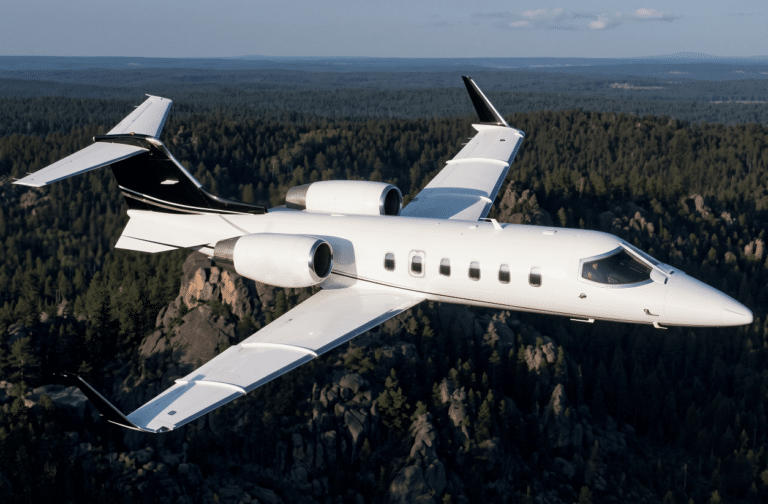
Learjet 31
The Learjet 31 represents one of the final developments of the original narrow-body Learjet design, combining the classic straight-wing platform with upgraded engines and avionics for improved high-speed performance.
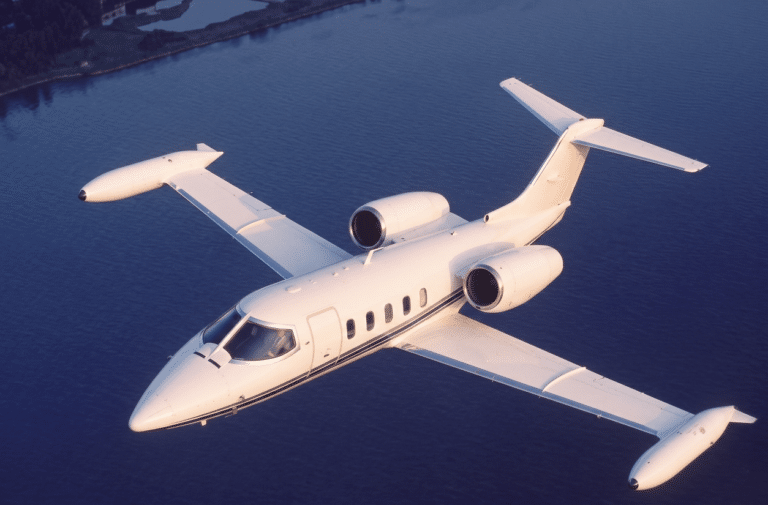
Learjet 35A / 36A
The Learjet 35A and 36A are twin-engine light jets introduced in the late 1960s, designed with extended range and high-altitude performance that continue to define their role in aviation today.
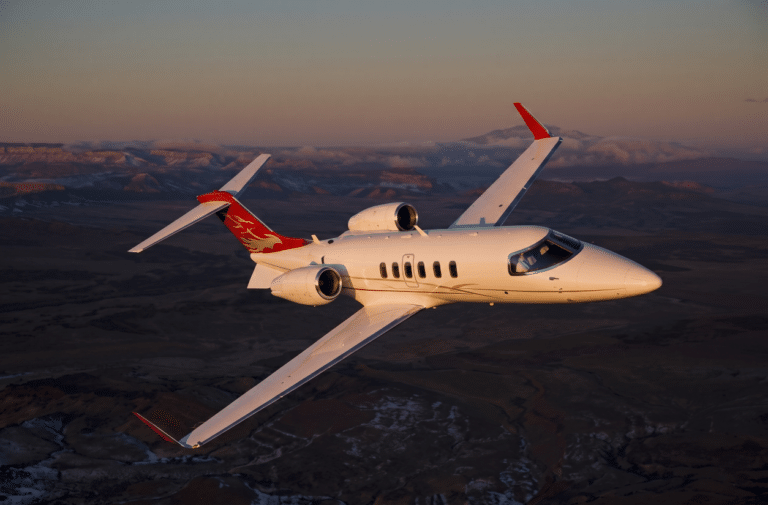
Learjet 40 / 40XR
The Learjet 40 and 40XR represent a redesign of the earlier Learjet 31 lineage, introduced after Bombardier’s acquisition, with a new wing, updated avionics, and a wider cabin profile.
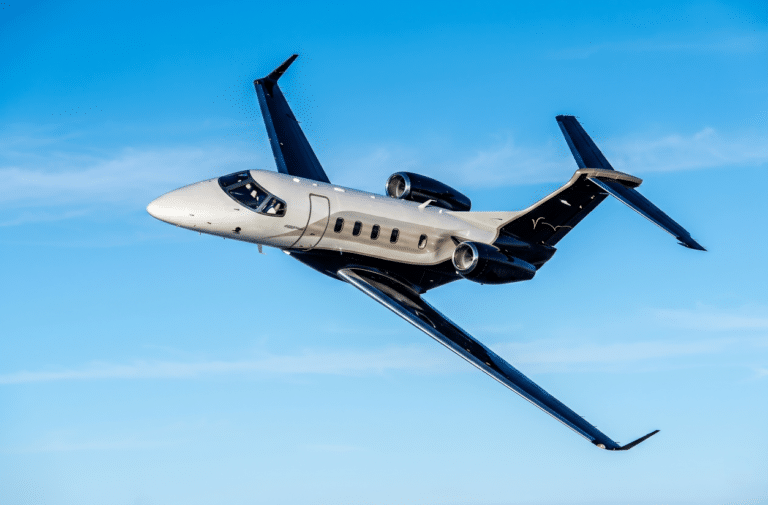
Phenom 300 / 300E
The Phenom 300 and 300E are part of Embraer’s clean-sheet light jet design, featuring a swept-wing profile, trailing-link landing gear, and Garmin G3000 avionics, all aimed at improving performance and passenger comfort within this category.
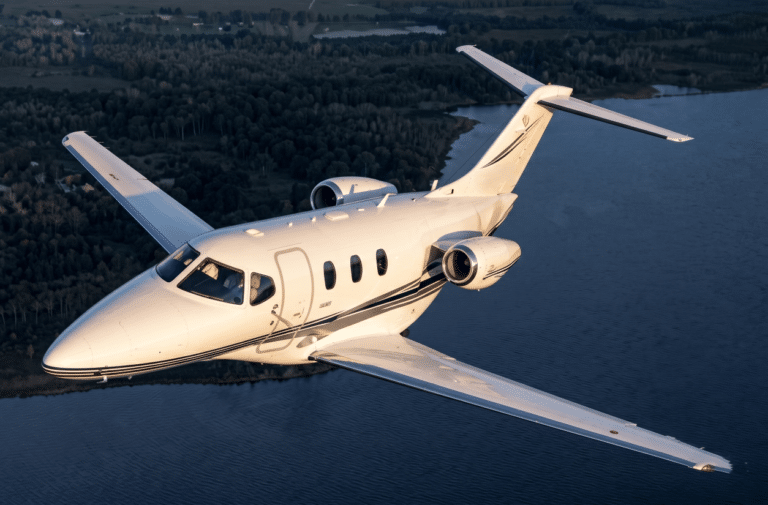
Premier I / IA
The Premier I and IA feature a composite fuselage construction, allowing for a lighter airframe and a wider cabin compared to traditional aluminum-built light jets.
Entry-Level Private Jets That Keep Short Trips Practical
For shorter routes, entry-level private jets offer a straightforward way to stay efficient without stepping into a larger aircraft than needed. A trip like Los Angeles to Las Vegas or Dallas to Houston becomes a quick turnaround instead of something that takes up the entire day.
This category works best in situations like:
- Attending a morning meeting and returning home the same afternoon
- Visiting two nearby cities in one day without switching aircraft
- Adjusting your return time after a meeting runs longer than expected
- Planning a quick personal trip without committing to overnight stays
Booking stays just as flexible. You can plan ahead or arrange flights on short notice, depending on how your schedule develops. When timing aligns, empty leg options can also fit into these shorter routes, especially for clients who can shift departure slightly.
Over time, the value becomes clear. It’s not just about flying privately—it’s about keeping short trips simple, direct, and aligned with how your day actually unfolds.

Seamless Booking Process

Submit Request

Select Aircraft

Confirm Details

Fly Private